Margram Castle
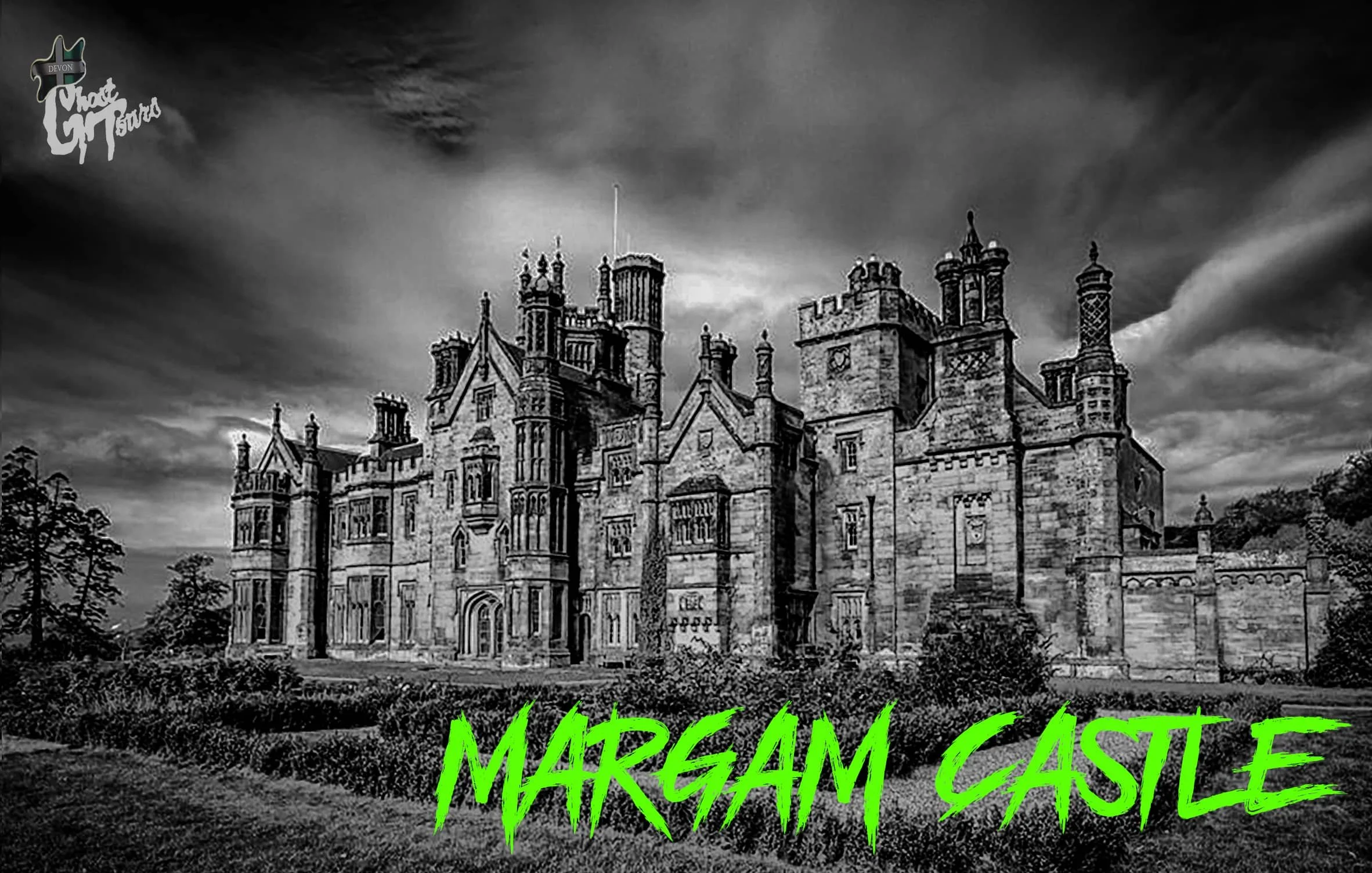
The Ghostly Echoes of Margam Castle:
A Dive into History & Hauntings
Margam Castle is a masterpiece of the Gothic Revival—a spectacular Victorian mansion that masquerades as a medieval fortress. It sits within a country park in Port Talbot, South Wales, that has been continuously occupied for over 4,000 years. While the architecture charms the eye, the atmosphere often chills the spine. The following research examines the history of the land, the rise of the great house, and the paranormal activity that has made it one of Britain's most haunted locations.
Part I: The History of the Land (Pre-Castle Era)
Long before the current "castle" was built, the land at Margam was a site of power, religion, and conflict. The estate is not just a Victorian footprint; it is a palimpsest of Welsh history.
1. The Iron Age and Roman Occupation
The high ground of the estate, known as Mynydd-y-Castell, holds the remains of an Iron Age hillfort. It suggests that early Celtic communities recognised the strategic value of this site, commanding views over the Bristol Channel.
During the Roman occupation of Britain, the area remained significant. Archaeological finds, including a Roman milestone (now housed in the nearby Stones Museum), indicate that the legions passed through here. This stone was later repurposed in the 6th Century as a Christian memorial, bridging the gap between pagan antiquity and the coming of the church.
2. The Cistercian Monks (1147–1536)
The spiritual weight of the land was cemented in 1147 when Robert, Earl of Gloucester, founded Margam Abbey. He gifted the land to Cistercian monks from Clairvaux, France.
Wealth and Power: Margam Abbey quickly became the richest monastic house in Wales. The monks were major landowners, farming sheep and trading wool.
The Curse of the Dissolution: In 1536, King Henry VIII dissolved the monasteries. The Abbey was closed, the monks were evicted, and the land was sold to Sir Rice Mansel, a courtier to the King. Legend dictates that displaced monks cursed the families who dared to live on their consecrated ground—a thread that runs through the estate's ghost stories today.
Part II: The Rise of Margam Castle
It is a common misconception that Margam Castle is a medieval defensive fort. In reality, it is a Victorian "mock" castle, built for luxury rather than war, symbolising the immense wealth of the Industrial Revolution.
Long before the first brick of the current mansion was laid, the ground beneath Margam was significant. The estate is a palimpsest, a manuscript with layers of history written over one another.
The Roman Footprint:
The high ground at Mynydd-y-Castell holds the secrets of an Iron Age hillfort, proof that early Celtic communities recognised the site's strategic value. Later, Roman legions marched through here, leaving behind milestones that were eventually repurposed as Christian memorials—a literal bridge between pagan antiquity and the new faith.
The Cistercian Curse:
In 1147, the spiritual weight of the land was cemented with the founding of Margam Abbey. It became the richest monastic house in Wales, a powerhouse of agriculture and trade. But its golden age ended abruptly in 1536 with the Dissolution of the Monasteries under Henry VIII. The monks were evicted, and their consecrated land was sold to courtier Sir Rice Mansel. Legend has it that the displaced monks placed a curse on any family that dared to live on their sacred ground—a thread that weaves through the estate's ghost stories to this day.
The Talbot Legacy
The estate passed down through the Mansel family until it reached the Talbots. By the 19th Century, the owner was Christopher Rice Mansel Talbot (C.R.M. Talbot).
The Wealthiest Commoner: Talbot was an MP for 60 years and arguably the richest man in Britain not to hold a title. He was an industrialist who developed the nearby docks (now Port Talbot) and brought railways to the region.
The Grand Design: In 1830, Talbot commissioned the architect Thomas Hopper to build a house that would reflect his status. Hopper chose the "Tudor Gothic" style, creating a dramatic skyline of turrets, octagonal towers, and battlements. The construction took ten years (1830–1840) and used sandstone from the local Pyle quarry.
2. The Golden Age & Decline
For a century, the castle was a hub of high society. It saw lavish parties, fox hunts, and visits from royalty (including the future King Edward VII). However, the 20th Century brought ruin:
The War Years: During World War II, the castle housed British and American troops. General Eisenhower reportedly visited the estate while preparing for the D-Day landings.
Abandonment: The Talbot line ended in 1941. The estate was sold, but the grand house proved too costly to maintain. It fell into severe disrepair, eventually becoming a roofless ruin.
The Great Fire (1977): Just as restoration talks began, a catastrophic fire ripped through the building in 1977. It gutted the interior, destroying the intricate timber roof and grand staircase. Today's visitors see a building that has literally risen from the ashes through decades of careful restoration.
The Rise and Fall of a Victorian Dream
The castle you see today is the legacy of the Talbot family, who inherited the estate from the Mansels. In the 1830s, Christopher Rice Mansel Talbot, an industrialist and MP known as the "wealthiest commoner" in Britain, decided to build a home that reflected his immense status.
A Gothic Fantasy: Talbot commissioned architect Thomas Hopper to create a "Tudor Gothic" mansion. For a decade, local sandstone from the Pyle quarry was shaped into a dramatic skyline of octagonal towers and intricate carvings. It was a house built for grand entertaining, hosting royalty and the elite of Victorian society.
Ruin and Rebirth: The 20th century was unkind to Margam. After the Talbot line ended in 1941, the vast house became too costly to maintain. It fell into severe disrepair, a roofless ruin ravaged by time and vandals. Then, in 1977, just as restoration plans were forming, a catastrophic fire gutted the interior, destroying the magnificent timber roof and grand staircase. The castle you visit today is a phoenix, having risen from the ashes through decades of painstaking restoration.
Part III: Paranormal Activity
Margam Castle is frequently cited as one of the most haunted houses in the UK. The paranormal activity here is not limited to vague feelings; it involves specific, recurring apparitions and violent poltergeist phenomena.
The Ghost of Robert Scott
(The Gamekeeper)
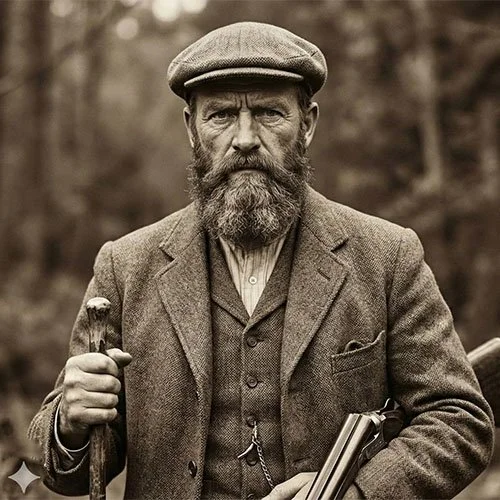
The most famous and reportedly most aggressive spirit is that of Robert Scott.
The Murder: On June 9, 1898, Robert Scott, the estate's head gamekeeper, was patrolling the grounds when he encountered a poacher named Joseph Lewis. Lewis shot Scott in the face, killing him instantly. The murderer was later caught and hanged.
The Haunting: Scott is said to haunt the main staircase and the corridors. Unlike peaceful spirits, his presence is often described as angry. Visitors and ghost hunters have reported:
Heavy doors slamming shut by themselves.
Rocks or stones being thrown at visitors (poltergeist activity).
A foreboding, masculine presence that feels territorial.
The Victorian Children
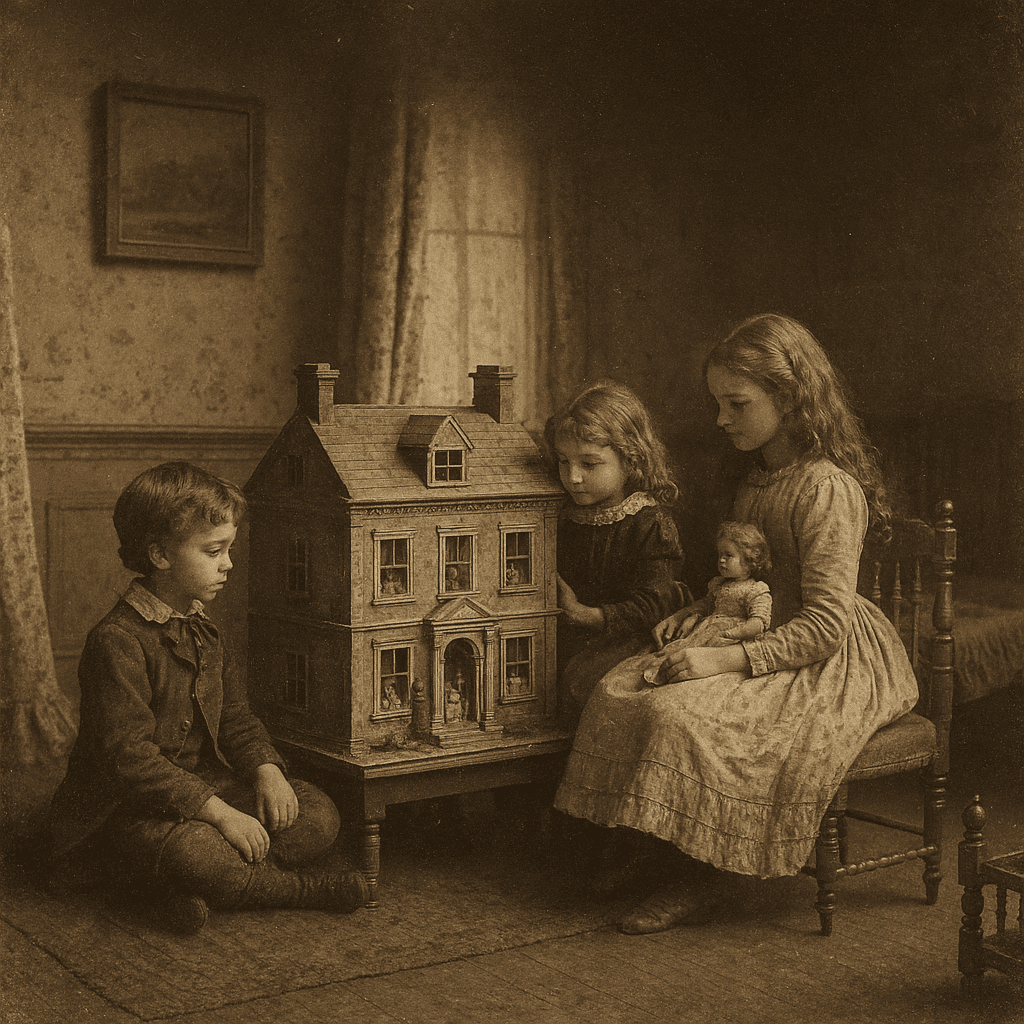
In stark contrast to the angry gamekeeper, the sound of giggling children is frequently reported in the family wing and the nursery areas.
Phenomena: Witnesses often hear mischief—footsteps running, laughter, and doors opening and closing. Some claim to have seen apparitions of children in Victorian dress drifting through doorways.
Theory: These are believed to be "residual hauntings"—an emotional imprint of the happy times when the Talbot children played in the house, replaying on a loop.
The Hooded Monk
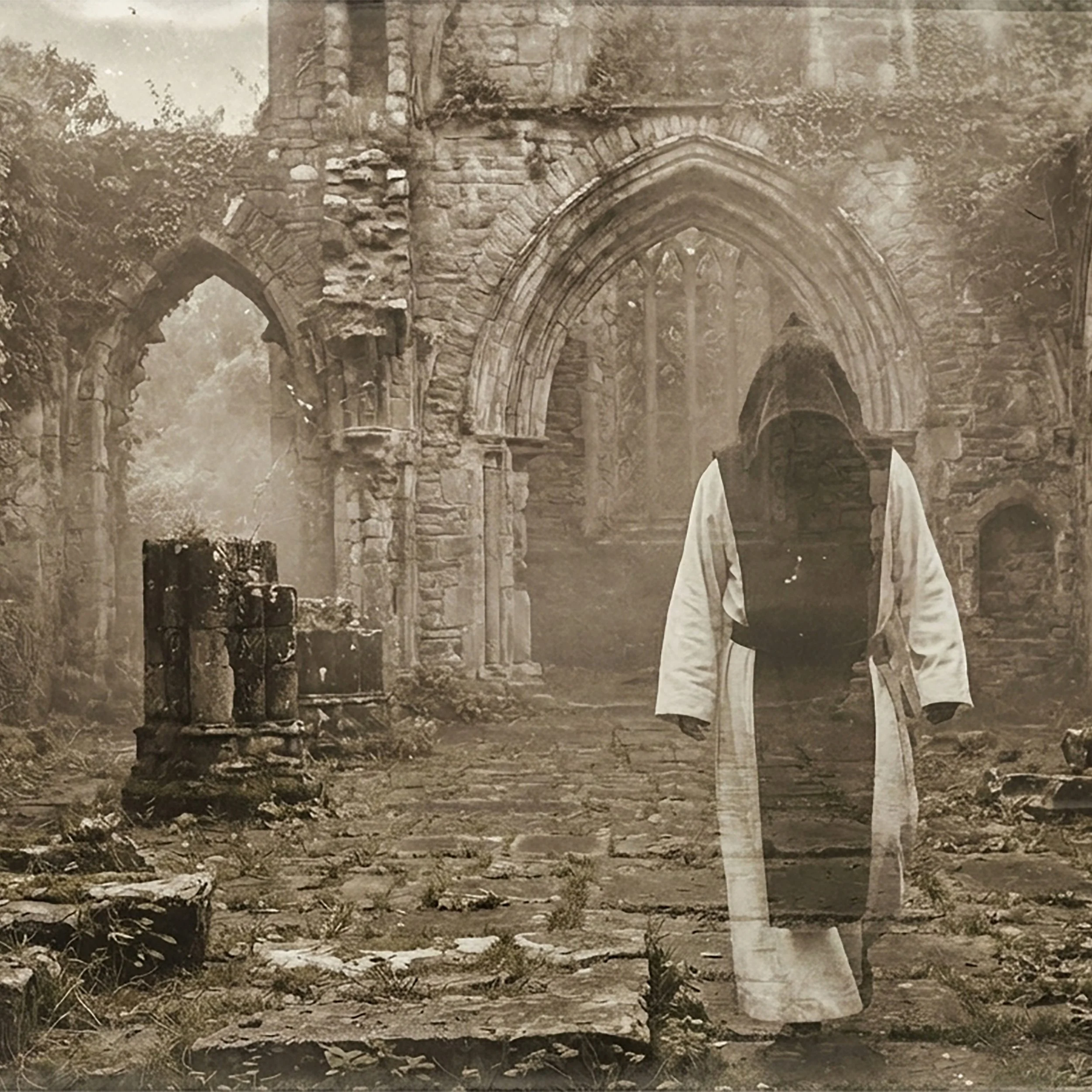
Given the land's history as an Abbey, it is unsurprising that a monk is often sighted.
The Sighting: A figure in a dark Cistercian habit has been seen wandering the ruins of the Abbey and the grounds near the Orangery. He is usually silent and ignores the living, simply walking a path that perhaps existed centuries ago.
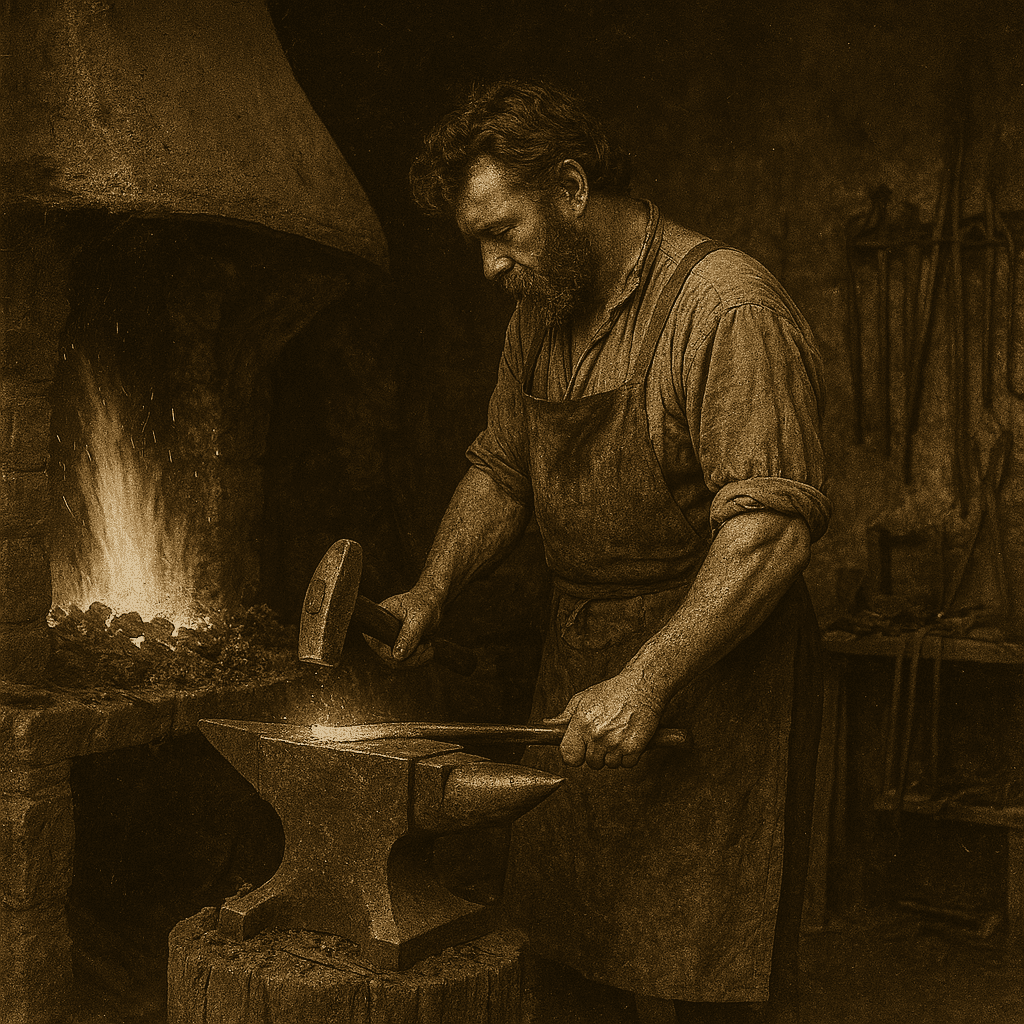
The Blacksmith
The estate had its own forge, and the spirit of a blacksmith is said to linger near the old stables.
The Encounter: Gamekeepers and security staff patrolling at night have reported seeing a large, shadowy figure of a man. The smell of burning wood or hot iron sometimes accompanies his appearance.
Current Phenomena
Paranormal investigation groups (including television shows like Most Haunted and Ghost Hunters International) regularly visited Margam. C
Common modern reports include:
Cold Spots: Sudden, intense drops in temperature, particularly on the Grand Staircase.
Orbs and Lights: Strange balls of light captured on night-vision cameras.
Physical Contact: Some visitors claim to have been pushed or had their hair pulled, usually attributed to the restless spirit of Robert Scott.
Click the image to register your intrest of attending The Huanted Margram Castle, Port Talbot, Wales
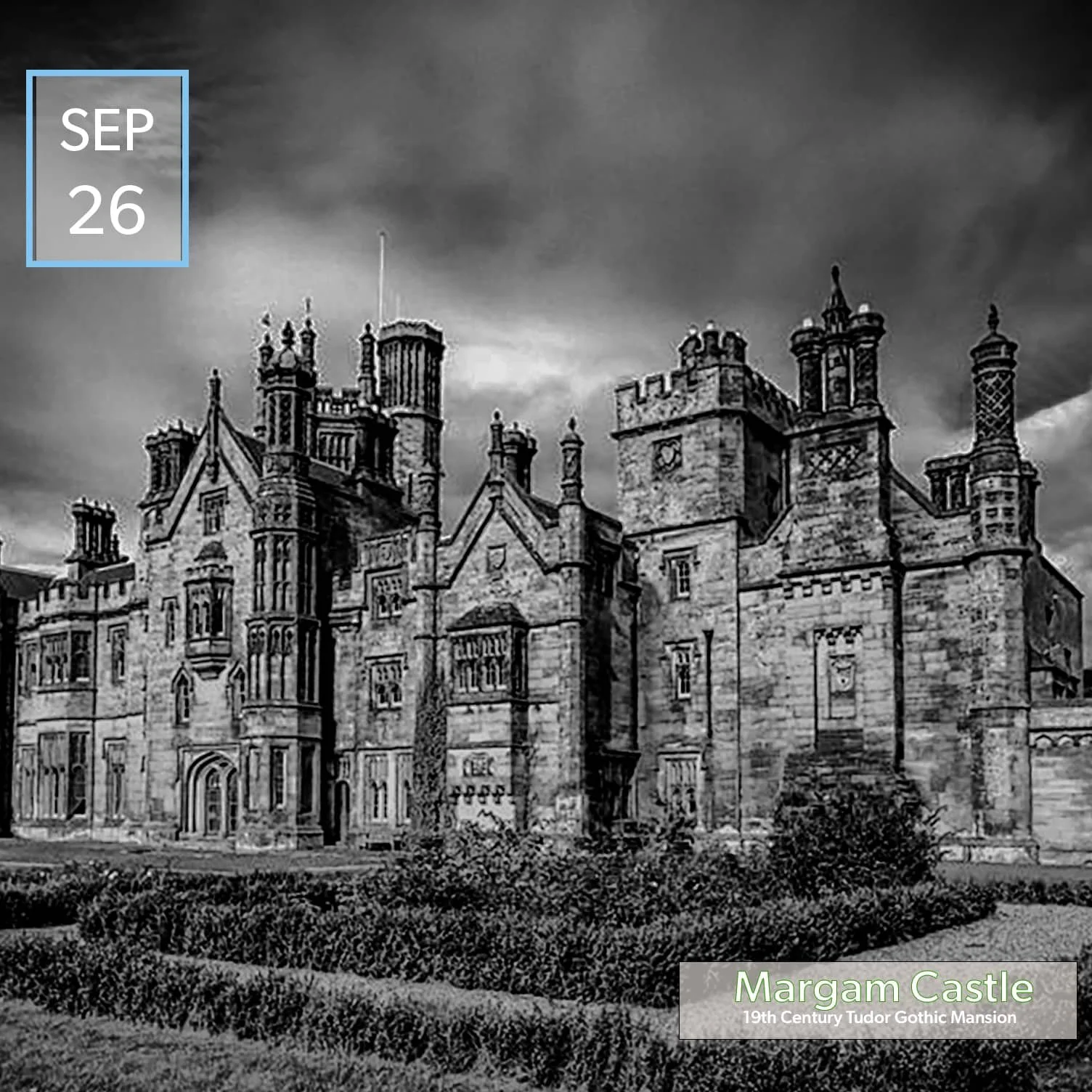
Margam Castle, a magnificent Tudor Gothic mansion in the heart of Port Talbot, Wales, is renowned for its stunning architecture and rich history. However, beneath its elegant facade lies a darker, more mysterious side. This imposing structure is said to be one of the most haunted places in the United Kingdom, with a chilling reputation for paranormal activity that has intrigued ghost hunters and thrill-seekers for decades.
A Castle Steeped in History and Tragedy
Built in the 1830s, Margam Castle stands on a site with a history stretching back over 4,000 years. The land has witnessed ancient settlements, a medieval monastery, and this grand Victorian edifice. Perhaps this layered history has imbued the castle with a palpable sense of the supernatural.
Resident Spirits
Witnesses have reported numerous apparitions and eerie phenomena within the castle walls. Among the most well-known spirits is Robert Scott, a former gamekeeper whom someone murdered on the grounds in the 19th century.
Legend says his restless soul roams the castle, manifesting as a dark, shadowy figure. Visitors often blame him for sudden temperature drops, moving objects, and slamming doors.
Other spectral inhabitants include the mournful "White Lady," whom historians believe was a member of the Talbot family who once owned the castle. Guests have also heard the playful spirits of Victorian children giggling and running through the corridors.