Tavistock Guildhall
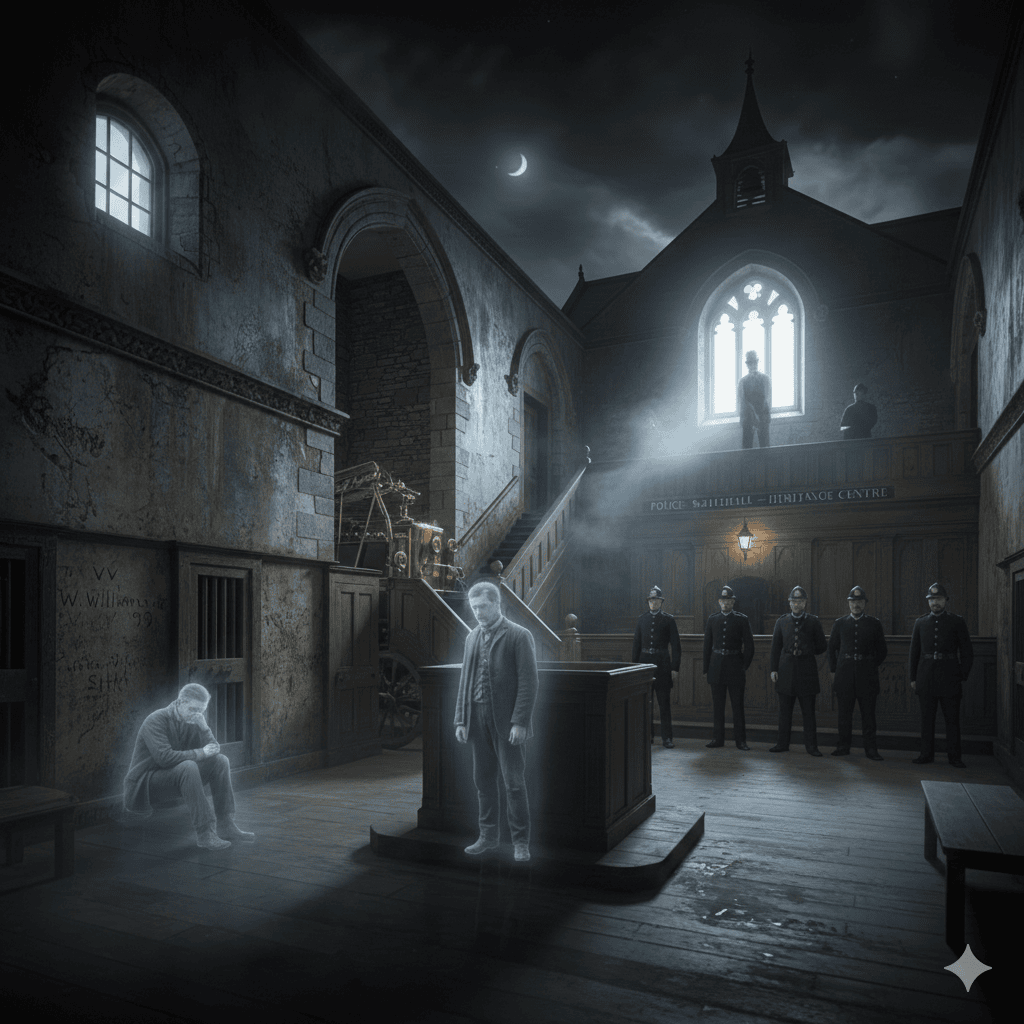
AI Image, of court with ghosts on trail.
The Dark History of Tavistock Guildhall: Justice, Ghosts, and Monastic Secrets
In the heart of Tavistock, Devon, stands a building that whispers tales of Victorian justice, monastic echoes, and lingering spirits: the Tavistock Guildhall. Far more than just a beautifully restored heritage centre, this site is a potent blend of history, harrowing events, and unexplained phenomena.
A Pioneering Hub Built on Ancient Foundations
Opened in 1848, the Tavistock Guildhall was a groundbreaking concept for its time. Commissioned by the 7th Duke of Bedford, it combined a police station, fire station, and courthouse under one roof. This innovative design aimed to tame the burgeoning crime rate spurred by the region's explosive copper and arsenic mining boom.
However, the Guildhall's story begins long before the Victorians. It was built upon the remnants of the powerful Tavistock Abbey, which was dissolved in 1539. This blending of ancient monastic stone with 19th-century civic architecture creates a unique "energetic tapestry" that many believe contributes to its paranormal activity
The Victorian "Standard" of Harshness
The Guildhall was built as a "one-stop shop" for Victorian justice, combining a police station, a fire station, and a courtroom. In the mid-19th century, punishments for what we now consider minor crimes were severe
History of Tavistock Guildhall
The Guildhall was built in 1848 by the 7th Duke of Bedford. It was designed to manage the chaos of the 19th-century mining boom, which brought a surge of crime to the town.
The Building: It functioned as a police station, fire station, and magistrates' court. The Victorian courtroom remains almost perfectly preserved today.
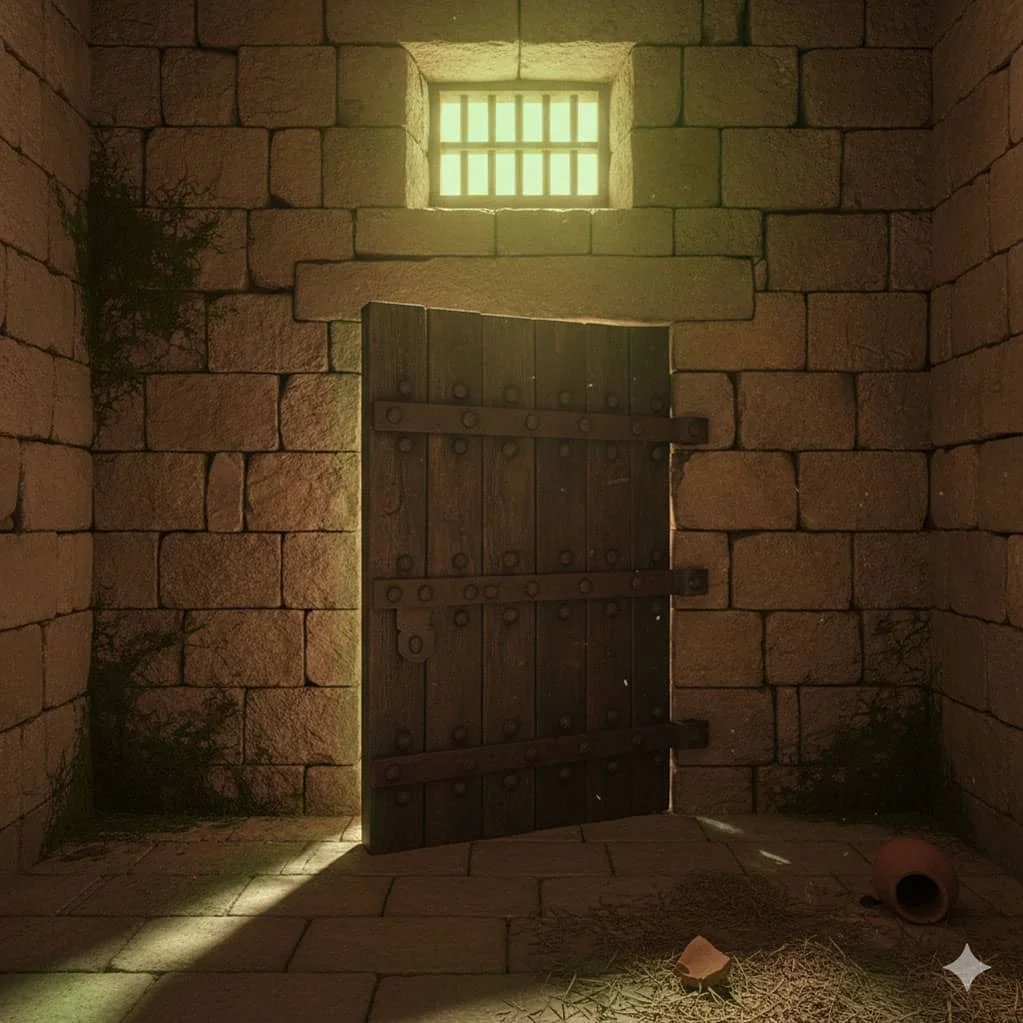
The Cells: Beneath the courtroom is a "bridewell" (jail) containing six original cells where prisoners were held before trial.
Decline and Rebirth: The court closed in 1997, and the police moved out in 2012. It reopened in 2021 as the Tavistock Guildhall Heritage Centre.
The Suicide in the Cells:
In the 1880s, a prisoner known as Ziscovan committed suicide while in custody in the Guildhall cells. His body is buried in the nearby Dolvin Road cemetery, and he is often cited as a primary source of the building's paranormal activity.
Murders and Executions
While many criminals were sentenced at the Guildhall, most executions took place at nearby Exeter Prison. However, the surrounding land has seen significant violence:
The Case of William Williams (1893):
One of the most famous local crimes involved 19-year-old William Williams. Driven by a jealous obsession, he purchased a revolver in Tavistock and shot his ex-girlfriend, Emma Doidge, and her companion, William Rowe, in nearby Peter Tavy. Williams was held in custody and eventually hanged at Exeter.The Ruthless Judge Glanville:
Nearby Kilworthy House is associated with Judge John Glanville, a man so dedicated to the law that he reportedly condemned his own daughter to death for the murder of her husband. Both the judge and his headless daughter are said to haunt the grounds.
Paranormal Activity
The land surrounding the Guildhall is part of the ancient Tavistock Abbey (founded 974 AD), providing a rich backdrop for spectral sightings.
Inside the Guildhall
The Courtroom: Investigators report slamming doors and the sound of heavy footsteps in the corridor when no one is there.
The Staircase: A recurring sighting involves an Area of Mist that appears at the top of the stairs and slowly dissipates.
The Cells: Cold spots and a feeling of being watched are frequent in the jail area, often attributed to the spirit of Ziscovan.
The Surrounding Land & Abbey Ruins
Betsy Grimbal’s Tower: Located just outside the Guildhall, this 15th-century gatehouse is named after a woman (possibly a monk or a woman killed by a soldier) whose ghost is said to be seen peering from the windows.
The Lady Howard & The Black Dog: Near the Fitzford House site, the ghost of Lady Howard is said to drive a carriage made of bones, preceded by a one-eyed black dog. She is doomed to pluck a single blade of grass from Okehampton Castle every night until the field is bare.
The Phantom Monks: Because the Guildhall is built over the Abbey, people have reported seeing spectral monks bowing to them in the town’s ancient tunnel systems (which are now largely sealed or hidden).
St Eustachius' Churchyard: Spirits of those "destined to die in the coming year" were traditionally said to be seen walking into the church on Midsummer’s Eve.

The Ghosts & Violence
Betsy Grimbal’s Tower: Located just outside the Guildhall, this 15th-century gatehouse is named after a woman (possibly a monk or a woman killed by a soldier) whose ghost is said to be seen peering from the windows.
The Lady Howard & The Black Dog: Near the Fitzford House site, the ghost of Lady Howard is said to drive a carriage made of bones, preceded by a one-eyed black dog. She is doomed to pluck a single blade of grass from Okehampton Castle every night until the field is bare.
The Phantom Monks: Because the Guildhall is built over the Abbey, people have reported seeing spectral monks bowing to them in the town’s ancient tunnel systems (which are now largely sealed or hidden).
St Eustachius' Churchyard: Spirits of those "destined to die in the coming year" were traditionally said to be seen walking into the church on Midsummer’s Eve.